
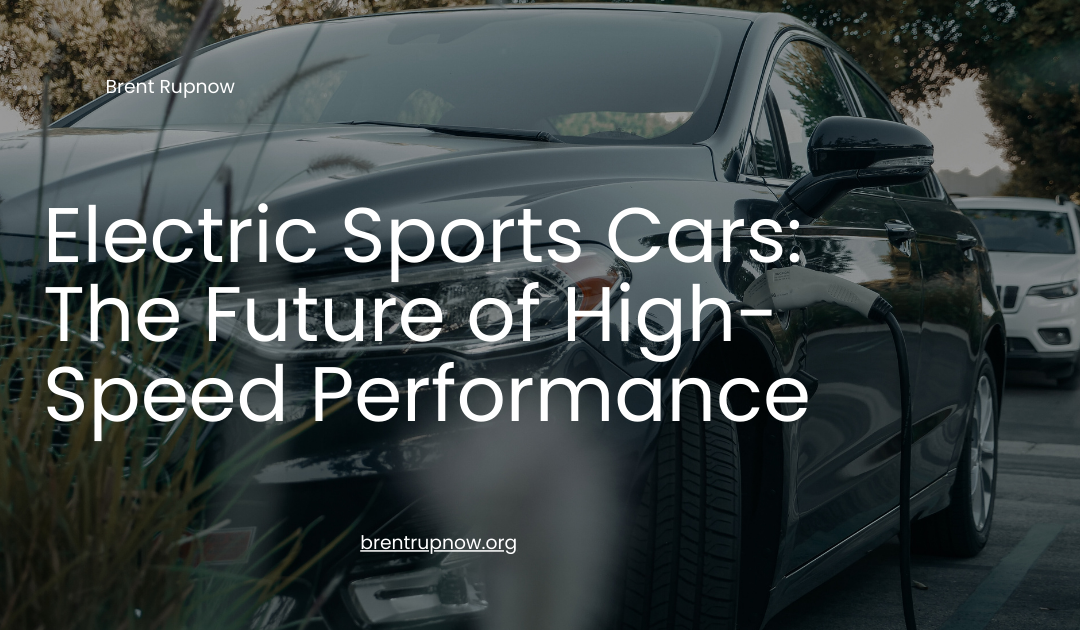
As the automotive industry pivots toward sustainable solutions, electric vehicles (EVs) are making waves, even in the traditionally gasoline-fueled world of sports cars. The allure of electric sports cars is not merely about eco-friendliness but also about delivering unprecedented performance. Electric sports cars are poised to redefine the future of speed, precision, and automotive innovation.
The Power of Instant Torque
One of the defining features of electric sports cars is their ability to deliver instant torque. Unlike internal combustion engines (ICE) that build power progressively, electric motors generate full torque from the moment you press the accelerator. This translates to lightning-quick acceleration, propelling many electric sports cars into supercar territory.
The Tesla Roadster is a prime example of this phenomenon. With its claims of a 0-60 mph time of under 2 seconds, it showcases the jaw-dropping capabilities of electric powertrains. The Rimac Nevera, another electric hypercar, takes this a step further with a top speed of 258 mph, demonstrating that electric vehicles can not only match but surpass the speed of traditional gasoline-powered cars.
Advanced Aerodynamics and Design
Electric sports cars aren’t just about straight-line speed; they are engineered for superior handling and performance on the road and track. Their design is often centered around maximizing aerodynamic efficiency, which contributes to both their speed and range. The sleek, low-slung bodies of cars like the Porsche Taycan or the Audi e-tron GT are designed to minimize drag, allowing them to slice through the air with minimal resistance.
Additionally, electric vehicles benefit from superior weight distribution due to their battery placement. With most electric sports cars placing heavy battery packs low in the chassis, they achieve a low center of gravity, enhancing stability and handling. This not only improves cornering at high speeds but also makes the driving experience smoother and more responsive.
Overcoming Range Anxiety
A common concern with electric sports cars is range anxiety—the fear that the battery will deplete too quickly during spirited driving or long road trips. However, advances in battery technology are steadily improving range, allowing electric sports cars to be driven hard without the worry of running out of juice too soon.
For instance, the Lucid Air, while marketed as a luxury sedan, offers performance that rivals many sports cars and delivers over 500 miles on a single charge. Fast-charging networks are also expanding globally, enabling drivers to recharge their vehicles in minutes rather than hours. In the near future, these improvements in infrastructure will make long-distance driving in electric sports cars more practical.
Electric Sports Cars on the Track
Electric sports cars aren’t just impressive on the road—they’re also making their mark on the racetrack. Formula E, the all-electric counterpart to Formula 1, is gaining popularity, and automakers are taking lessons from these high-performance electric racing cars and applying them to consumer models. Electric vehicles have been performing exceptionally well in races due to their torque and instant acceleration, and as technology improves, more electric sports cars are expected to dominate on the track.
The Future of High-Speed Performance
The future of electric sports cars is incredibly promising. As automakers continue to invest in electric technology, we can expect to see even more innovations in this space. Brands that are synonymous with performance, such as Ferrari and Lamborghini, are working on hybrid and fully electric models, ensuring that the thrill of driving remains intact in an electric future.
Moreover, the integration of autonomous driving features is likely to add another layer of sophistication to electric sports cars. Imagine a future where you can let your car drive you in comfort on the highway and then take full control on a winding mountain road, harnessing the raw power of an electric motor to carve through corners.
Conclusion
Electric sports cars represent the cutting edge of automotive performance. With their combination of instant torque, advanced design, and increasing range, they are proving that electric powertrains can be just as thrilling as their gasoline-powered counterparts. As the world moves towards sustainability, electric sports cars will continue to evolve, offering a new vision for high-speed performance that balances exhilaration with environmental responsibility.